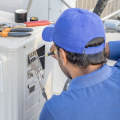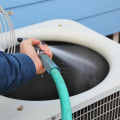
If you’re searching for HVAC maintenance in Clermont, FL, you’re likely trying to pin down one thing: what does a real “tune-up” actually cover—and what’s just a quick stop with a sticker and a receipt? In my experience reviewing tune-up checklists and walking homeowners through what technicians actually do on-site, the biggest frustration is that two companies can both sell an “AC tune-up,” yet one delivers a true preventive service while the other does little more than a visual glance.
This page lays out what a Clermont tune-up should look like when it’s done right, with the kind of specificity that makes it easy to compare quotes: the exact system checks that typically catch small issues early (like drain line risk, airflow restrictions, and early electrical wear) and the items that get skipped when a visit is rushed. You’ll also see what’s usually not included unless you approve it, which add-ons are worth it in Clermont’s humidity-heavy season, and the practical questions that quickly reveal whether you’re buying maintenance—or just paying for a “maintenance” label.
TL;DR Quick Answer
What it is: A planned service visit that checks performance, safety, airflow, and humidity control so your system runs reliably through Clermont’s long cooling season.
What a real tune-up should include:
Drain line + pan inspection/clearing (Florida must-have)
Filter + airflow checks (returns, blower, vents)
Electrical testing (capacitor/contactor and connections)
Measured results + documentation (readings, checklist, notes/photos)
What it shouldn’t be: A 10–15 minute “look-over” with no measurements and no proof.
Best move: Ask for the company’s written tune-up checklist and confirm they’ll provide readings + documentation—that’s how you know you’re paying for maintenance, not a sticker.
Top Takeaways
“Tune-up” isn’t standardized. Ask for a written checklist.
Humidity matters in Clermont. Drain line/pan + moisture checks are non-negotiable.
Proof matters. Get readings + documentation (notes/photos), not “looks fine.”
Airflow drives comfort + cost. Filters, blower, and returns/supplies must be checked.
Be cautious with “refrigerant top-off.” Low refrigerant usually means a leak, not routine maintenance.
What “HVAC Maintenance” Really Means in Clermont (and Why “Tune-Up” Isn’t a Standard Term)
In Clermont, a “tune-up” is supposed to be preventive maintenance—a structured set of inspections, cleanings, and performance checks that reduce breakdown risk during the long cooling season and help your system manage humidity. The issue: there’s no universal definition, so two companies can sell the same phrase and deliver very different work.
A legitimate tune-up should cover four buckets: safety, airflow, moisture management, and system performance.
What’s Typically Included in a Legit HVAC Tune-Up
Thermostat + basic operating checks
Confirm thermostat is reading correctly and communicating with the system
Verify proper start-up/shut-down sequence
Check temperature split (supply vs. return) for a quick performance snapshot
Airflow + filtration checks
Inspect filter type/fit and recommend correct replacement interval
Check return and supply airflow issues (blocked vents, undersized/dirty filter, etc.)
Inspect blower compartment for dust buildup that can reduce airflow
Why it matters in Clermont: restricted airflow can make the home feel “sticky,” increase run time, and raise electric bills.
Electrical and component inspection (the “failure prevention” part)
Tighten electrical connections (where appropriate)
Test capacitor(s) and contactor for wear
Check amperage draw on major components (compressor, fan motor)
This is one of the biggest differentiators between a real tune-up and a quick look-around—electrical wear is a common cause of summer no-cool calls.
Condensate drain + moisture management
Inspect and clear the condensate drain line and pan
Look for algae/sludge buildup and signs of prior overflow
Confirm proper drainage and safety switch function (if installed)
In Florida humidity, this is non-negotiable. A partially blocked drain line can lead to leaks, water damage, and moldy odors.
Outdoor unit inspection and cleaning (condenser-side)
Inspect coil condition and remove surface debris
Check fan blade condition and motor operation
Verify unit is level and has adequate clearance for airflow
Inspect refrigerant line insulation (damaged insulation = efficiency loss)
Refrigerant system evaluation (without the sales pitch)
A proper tune-up often includes:
Checking refrigerant pressures/temperatures and overall system performance indicators
Looking for symptoms of low charge (not automatically “topping off”)
Important: adding refrigerant isn’t routine maintenance—refrigerant doesn’t get “used up”. If it’s low, there’s usually a leak that should be addressed.
What’s Often NOT Included (Unless You Approve It)
These may be recommended after the inspection, but they’re usually separate:
Deep chemical coil cleaning (indoor evaporator coil)
UV lights / IAQ add-ons
Duct cleaning or duct repairs
Refrigerant leak search/repair
Replacing parts (capacitor, contactor, float switch, etc.)
A trustworthy tech explains why it’s needed, shows evidence (photos/measurements), and prices it as an optional repair, not a surprise “required” add-on.
How to Tell if You’re Getting a Real Tune-Up
Ask for one of these before you book:
A written checklist of what’s included (not just “clean and inspect”)
A simple “before/after” summary: temperature split, capacitor readings, drain status, coil condition
Photos of problem areas (dirty blower, rusted contactor, sludge in drain pan)
Red flags
The visit is over in 10–15 minutes with no readings shared
They push refrigerant “top-off” immediately without diagnosing a leak
No mention of drain line/pan in a humid climate
No documentation—just “you’re good” and a bill

Essential Resources
Clermont heat and humidity can punish an HVAC system fast—so a “tune-up” should be clear, thorough, and easy to verify. These trusted resources help you confirm who you’re hiring, understand what legit maintenance includes, and make smarter repair-or-upgrade decisions without relying on anyone’s sales pitch.
Florida DBPR License Search — Confirm your HVAC contractor is actively licensed
URL: https://www.myfloridalicense.com/wl11.asp
Before you schedule service, verify the contractor (and qualifier) is properly licensed in Florida and check for any public disciplinary actions.
Best for: license status, license type, disciplinary history
Florida DBPR “How to Verify a License” — Learn how to read the license record correctly
URL: https://www2.myfloridalicense.com/how-to-verify-a-license/
This guide shows you what the DBPR fields mean so you can spot red flags like expired licenses, mismatched business names, or enforcement actions.
Best for: interpreting DBPR results, catching common licensing red flags
U.S. Department of Energy — Baseline checklist for proper AC maintenance
URL: https://www.energy.gov/energysaver/air-conditioner-maintenance
Use DOE guidance to sanity-check what a “tune-up” should include (filters, coils, airflow, general upkeep) so you can compare scopes instead of comparing marketing.
Best for: validating what “maintenance” should cover
ENERGY STAR Maintenance Checklist — A quick, scannable checklist for homeowner questions
URL: https://www.energystar.gov/saveathome/heating-cooling/maintenance-checklist
Bring this list to the phone call or appointment to ensure the service covers core items—and to make quotes easier to compare.
Best for: quote comparisons, asking better pre-booking questions
U.S. EPA Indoor Air Quality — Understand humidity, ventilation, and “why it feels sticky”
URL: https://www.epa.gov/indoor-air-quality-iaq
When a home feels muggy, the fix isn’t always “lower the thermostat.” EPA IAQ guidance helps you understand humidity drivers, ventilation basics, and indoor pollutant control.
Best for: humidity/IAQ education that supports smarter maintenance decisions
Florida Department of Health Indoor Air Quality — Florida-specific moisture and mold context
URL: https://www.floridahealth.gov/community-environmental-public-health/environmental-public-health/air-quality/
This resource is useful for Clermont homeowners because it connects moisture control and IAQ to practical prevention steps—helpful when evaluating drain line/pan checks and humidity complaints.
Best for: mold/moisture awareness and prevention priorities
Duke Energy Florida Rebates — Helpful if maintenance reveals a repair vs. replacement decision
URL: https://www.duke-energy.com/Home/Products/Home-Energy-Improvement/HVAC-Replacement?jur=FL01
If a tune-up uncovers a big-ticket issue, rebates and upgrade incentives can change the math. This page helps you evaluate whether repair or replacement is the better long-term move.
Best for: upgrade planning, potential cost offsets
Supporting Statistics
Cooling cost impact
DOE estimates space cooling is ~6% of the average household’s energy use.
DOE also estimates Americans spend ~$29 billion/year powering air conditioners.
Why it matters in Clermont: a real tune-up that checks airflow/coils/controls helps prevent “silent” inefficiency that drives summer bills.
Source: https://www.energy.gov/energysaver/articles/energy-saver-101-home-cooling-infographic
Heating + cooling dominate the energy bill
ENERGY STAR reports the average household spends more than $2,200/year on energy bills.
Nearly half of that spending goes to heating and cooling.
Field insight: if a “tune-up” doesn’t include measurable checks (temps, electrical health, airflow indicators), it’s rarely protecting the biggest line item.
Source: https://www.energystar.gov/sites/default/files/asset/document/HeatingCoolingGuide%20FINAL_9-4-09_0.pdf
Humidity targets that reduce mold risk
EPA recommends keeping indoor humidity around 30%–50%.
Clermont reality: drain line/pan checks and airflow verification aren’t “extras”—they’re humidity-control fundamentals.
Source: https://www.epa.gov/indoor-air-quality-iaq/care-your-air-guide-indoor-air-quality
CDC mold prevention guidance reinforces moisture control
CDC advises keeping indoor humidity at or below 50% to help prevent mold.
CDC notes air conditioners or dehumidifiers can help control humidity.
Practical takeaway: many “musty” complaints trace back to moisture failures a thorough tune-up is designed to catch early.
Source: https://www.cdc.gov/mold/pdfs/you_can_control_mold.pdf
Final Thought & Opinion
A real HVAC tune-up in Clermont shouldn’t be vague. It should be preventive, documented, and built for Florida humidity.
What a legit tune-up should deliver
Measurements
Basic performance readings (not just “looks fine”)
Drain line and pan inspected/cleared
Clear explanation of any leak or overflow risk
Airflow + filtration
Filter fit/type check
Airflow restrictions identified (returns/supplies, blower cleanliness)
Electrical health
Key components inspected/tested (common failure points)
Proof
A checklist, notes, and/or photos that show what was actually done
My opinion (based on what I see when comparing tune-up scopes)
The best HVAC companies aren’t the ones with the loudest specials.
They’re the ones that measure, document, and explain.
In Clermont humidity, drain line + airflow are non-negotiable. That’s where many “musty” and “sticky” comfort complaints start.
Bottom line
If you leave with no readings and no documentation, you likely didn’t buy maintenance—you paid for a quick visit. A proper tune-up gives you proof and a plan, so you’re not forced into decisions during the hottest week of the year.

FAQ on "HVAC Maintenance in Clermont"
Q: How often do Clermont homeowners need HVAC maintenance?
A:
Best practice: 2x per year
Spring (before peak heat)
Fall (after heavy run time)
Consider extra checks if: pets, allergies, older system, high runtime
Q: What should a Clermont HVAC “tune-up” include?
A: Look for measure + prevent + document.
Airflow + filter fit check
Electrical testing (common failure points)
Drain line/pan inspection and clearing (Florida must-have)
Documentation: readings + checklist + notes/photos
Q: How do I spot a “sticker tune-up”?
A:
No written checklist
No readings or documentation
Visit ends in 10–15 minutes
No mention of drain line or airflow
Q: Why can my home feel cold but still humid after maintenance?
A: Humidity comfort is usually airflow + moisture management, not just temperature.
Restricted returns/supplies
Dirty blower or coils
Drainage issues
System not controlling humidity well
Q: Is refrigerant “top-off” normal maintenance in Clermont?
A: Usually no.
Refrigerant shouldn’t “run out”
Low refrigerant often indicates a leak
Ask for: evidence + diagnostics + repair plan before adding refrigerant
Learn more about HVAC Care from one of our HVAC solutions branches…
Filterbuy HVAC Solutions - Miami FL - Air Conditioning Service
1300 S Miami Ave Apt 4806 Miami FL 33130
(305) 306-5027
Filterbuy HVAC Solutions - Miami FL - Air Conditioning Service